Monitoring Country

Introduced & Feral Herbivores

Introduced and feral herbivores are animals that are plant-eating and not native to Australia. They were once domestic herds but have escaped or been released and are not cared for or owned by people. This includes:
- Introduced rabbits
- Feral cattle
- Feral goats
- Feral camels
- Feral deer (in development)
- Feral pigs
- Feral horses
- Feral donkeys
Many of these feral herbivores have established large unmanaged populations across Australia.
Feral herbivores are a threat to biodiversity and healthy Country
Feral herbivores can harm native plants and Country if they aren’t managed because their behaviour can be destructive, including grazing on native plants, trampling native vegetation, damaging waterways, digging or trampling soil leading to:
- Soil compaction and erosion
- Spread of weeds
- Poor seedling regeneration
- Decline or loss of native plant species
- Water pollution and changed water flows
- Changed fire regimes
Feral herbivores are also a threat to native animals because they can cause the loss of important animal habitats, and they compete with many native species for food and shelter.
The impacts of feral herbivores may be listed as a key threatening processes to native species under the Environmental Protection and Biodiversity Conservation Act.
Managing feral herbivores
Feral herbivores in Australia are usually well-adapted and widespread, which makes eradication difficult. Best practice management of feral herbivores therefore focuses on protecting important areas like waterways and healthy native habitats. For best results, it is usually done at the same time as other invasive animals like Feral Cats, weed management and replanting of native vegetation.
Control methods include exclusion fencing, mustering, trapping, baiting and shooting.
Any time you do work that might disturb or interfere with native animals and vegetation, particularly threatened species, you need to check with the state authorities to see if you need any approvals, such as scientific licences or animal ethics committee permits.
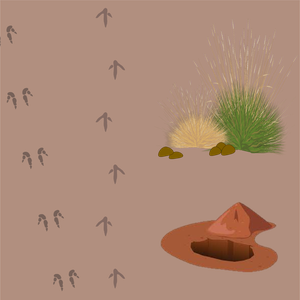

 Tracks of (clockwise from top left) echidna, bird, goanna, bilby and hopping mouse. Credit: Mark Cowan
Why are 2 Ha Plots useful?
- Less stress for animals: 2 Ha Plot surveys don’t involve catching and handling animals. Animals are often stressed if they are caught …
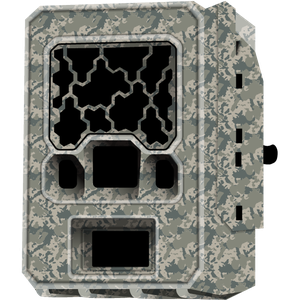
Less stress for animals: Camera trap monitoring collects data without catching and handling animals. Animals are often stressed if they are caught and handled by people.
Do the time for you: Camera traps can capture data for long periods of time, requiring less time on Country. Monitoring over longer …
Primary sources
This landing page was developed using the following sources:
Primary sources
- Department of Climate Change, Energy, the Environment and Water (2020. Feral animals in Australia. https://www.dcceew.gov.au/environment/invasive-species/feral-animals-australia
- Centre for Invasive Species Solutions (2024). Management toolkits. https://pestsmart.org.au/pest-animals/
- Record feral herbivore sightings and control activities on FeralScan: https://feralscan.org.au/
- Codes for humane capture, handling and destruction of feral animals in Australia: https://www.dcceew.gov.au/environment/invasive-species/publications/model-codes-practice-feral-animals