
Monitoring Country

Quandong

Quandongs are an important plant for Indigenous people across Australia. Prior to European settlement, Quandong fruits were often relied upon as a food source when meat was scarce. The seeds can be crushed up to make a medicine or used to make necklaces. The bright red fruits can be eaten straight from the tree, can be cooked down to jam, and can be dried into cakes for later use.
Quandongs are hemi-parasitic plants and belong to the same plant family as Sandalwood. Their leaves and fruits are full of nutrients which lots of animals (native and introduced) like to eat.
Emus love to eat Quandong fruits and play an important role in seed dispersal because the seeds pass through their body undigested into their droppings. The seeds stay dormant until a complex combination of conditions (wet–dry periods) help to crack open the hard, woody coat of the seed shell.
Conservation Status
- National: Not listed
- NT - Vulnerable
Where Quandong Live
Species Records
Use the + - Zoom controls to select an area
Quandongs are found across the central deserts, semi-arid areas, and coastal areas of southern Australia.
Habitat
Quandong prefer nutrient poor, free draining soils and can occur in a wide variety of habitats. In the desert they are often restricted to gullies and gorges where they are more protected from fire and feral herbivores (like camels).
What Quandong look like
A small tree 6-8m high that provides good shade. They have drooping grey-green leaves, small green flowers (September to January) and bright red fruits.
Threats
- Feral animals (plant eaters/herbivores) like camels, donkeys, goats and rabbits. One of the key reasons Quandongs are in decline in the Northern Territory is feral camels. Camels often eat a lot of leaves off each plant which can kill the plant or reduce the amount of fruits produced. When camels eat resprouting leaves after a fire it can be particularly harmful for the plant.
- Wrong-way fire, including fires that are too hot, occur too often or burn special places also threaten Quandongs.
- Climate change is another major threat to Quandongs. Seedlings require cooler temperatures to germinate and more common big hot wildfires, reduced winter rainfall and more droughts all reduce survival rates.
- Weeds like Buffel Grass are harmful to Quandongs as they can increase the amount of fuel making fires burn hotter and outcompete seedlings or host plants.
- Loss of medium-sized digging mammals. Species such as bandicoots and would collect and bury piles of the seeds which would help them to germinate. Many of these species are now extinct in the wild or are reduced in numbers like the Bilby.

REMEMBER! Any time you do work that might disturb or interfere with native animals and vegetation, particularly threatened species, you need to check with the state authorities to see if you need any approvals, such as scientific licences or animal ethics committee permits.
You might want to monitor Quandong plants to:
- Keep track of any recruitment – in some places there are very few seedlings
- Create a map of where these special plants occur on Country
Any time you do work that might disturb or interfere with native animals and vegetation, particularly threatened species, you need to check with the state authorities to see if you need any approvals, such as scientific licences or animal ethics committee permits.


Photo point monitoring is a simple and cost-effective way to track changes to an area. Photos are taken from the same location and angle to make sure changes observed are from environmental changes and not differences in perspective.
By taking photos of the same spot over time, a clear …
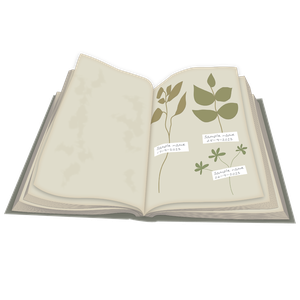
Plant collection is a useful tool for identifying what plant species are found on Country. The method involves systematically gathering plant samples (also called specimens) and carefully documenting information about the plant, where and when they were found, and details about the surrounding habitat.
Collecting physical specimens means that …
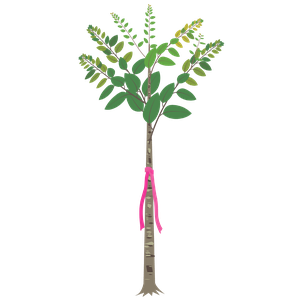
Vegetation plot surveys involve measuring out a small (usually square) area, then counting the different plant species within the plot. The plots can be permanently marked, so you can come back later and repeat the survey. This allows the data to be compared over time. Vegetation plot surveys are cheap …
Primary sources
This landing page was developing using the following sources:
Primary Sources
This landing page was developed using the following sources: