Monitoring Country
Mangrove


Any time you do work that might disturb or interfere with native animals and vegetation, particularly threatened species, you need to check with the state authorities to see if you need any approvals, such as scientific licences or animal ethics committee permits.


Photo point monitoring is a simple and cost-effective way to track changes to an area. Photos are taken from the same location and angle to make sure changes observed are from environmental changes and not differences in perspective.
By taking photos of the same spot over time, a clear …
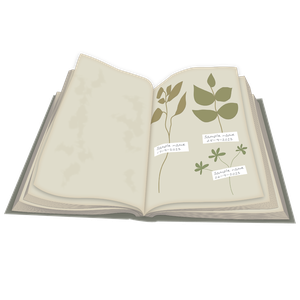
Plant collection is a useful tool for identifying what plant species are found on Country. The method involves systematically gathering plant samples (also called specimens) and carefully documenting information about the plant, where and when they were found, and details about the surrounding habitat.
Collecting physical specimens means that …
Vegetation plot surveys involve measuring out a small (usually square) area, then counting the different plant species within the plot. The plots can be permanently marked, so you can come back later and repeat the survey. This allows the data to be compared over time. Vegetation plot surveys are cheap …